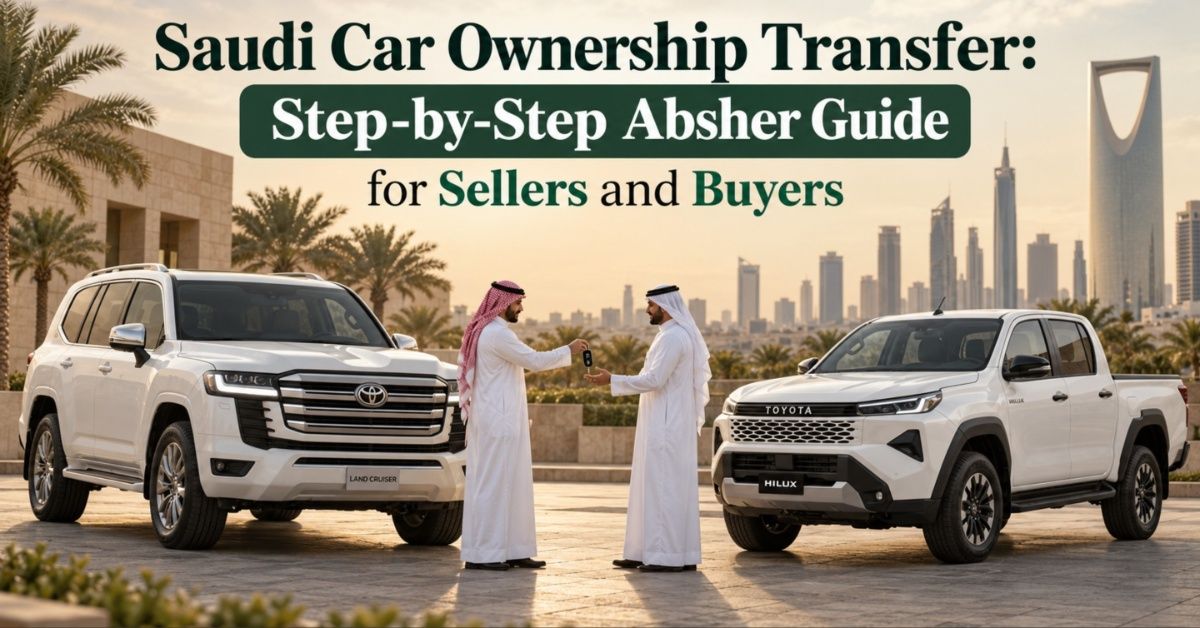
Saudi Car Ownership Transfer: Step-by-Step Absher Guide for Sellers and Buyers
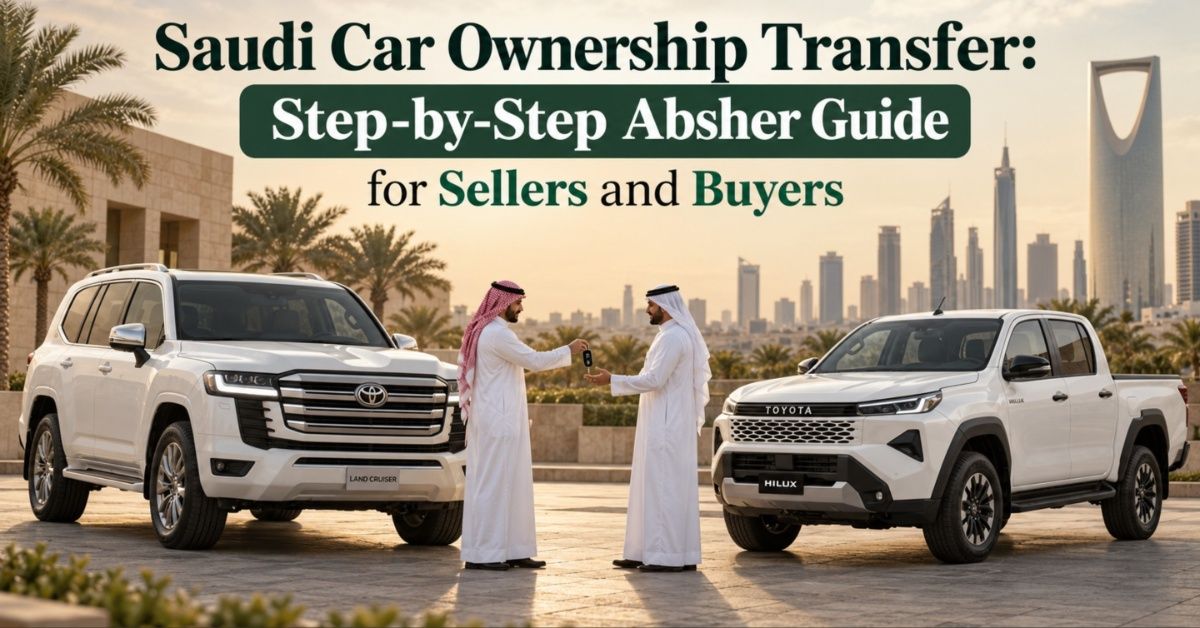
Saudi Arabia: Transferring used car ownership in Saudi Arabia is now a fully digital process managed through the government's Absher platform, replacing physical Muroor visits.
KEY TAKEAWAYS
How is a car ownership transfer initiated and accepted on Absher?
The seller initiates the request underWhat documents, clearances, and fees are required for the transfer?
Prerequisites include a valid Istimara, current Fahas (MVPI), active buyer insurance, and clear violation records for both parties. The buyer pays a SAR 150 government transfer fee via SADAD, plus Absher service charges.The entire process for legally transferring a used vehicle's Istimara (registration) from seller to buyer now runs through Absher. The system requires both parties to have active accounts and complete a sequence of digital steps, from initiating the sale to finalising payment and delivery. It gives nationals and residents a standard way to sell a vehicle.
Quick read:
- Sellers initiate the transfer request inside their Absher account under “Vehicle Services”.
- Buyers have a strict one-hour window to accept the transfer request after it is sent. If they do not respond, the request is cancelled automatically.
- A valid Fahas (MVPI) and Istimara are required before any transfer can begin.
- The government transfer fee for a private car is SAR 150, paid by the buyer through SADAD.
The seller begins the entire transaction. After logging into Absher, the process starts under the Vehicle Services tab, then by selecting “Sell Vehicles”. The seller chooses the specific car from their registered vehicles and must accurately enter the buyer’s ID or Iqama number and their date of birth. Three final details are required: the agreed-upon sale price, the region of sale and the seller’s own bank IBAN for receiving the payment. Submitting this form sends the official transfer request to the buyer.
Buyer Acceptance and Payment
Action from the buyer must be immediate. An Absher notification alerts the buyer, who then has exactly one hour to accept or reject the request. If the buyer takes no action, the request is cancelled automatically. Within this window, the buyer must review the vehicle details and sale price and enter their own bank IBAN. This account is used to refund the buyer if the sale is not completed. The buyer must also hold insurance for the vehicle in their name. The buyer then transfers the sale price through their bank to the service’s escrow account, not directly to the seller. The SAR 150 government transfer fee is paid separately through SADAD. A separate Absher service charge also applies. That one-hour deadline is firm.
Documents and Clearances Required
The Absher system will not allow a transfer to start unless several prerequisites are met. These are non-negotiable and must be in order before the seller initiates the request.
- A valid Istimara (vehicle registration) for the car being sold.
- A current and valid Fahas, the mandatory periodic technical inspection (MVPI).
- The buyer must have an active insurance policy for the vehicle under their name.
- Both the seller and the buyer must have active and accessible Absher accounts.
- The vehicle must be clear of unpaid fines and must not be suspended, lost, wanted or seized.
- The buyer must also have no outstanding traffic violations.
Finalising the Transfer
Payment does not complete the process. Once the full price reaches the escrow account, Absher notifies both parties to complete the handover. The seller then selects the delivery step in Absher and the buyer receives a verification code by SMS. The buyer should share this code only after receiving the car and its keys. When the seller enters the code, ownership moves to the buyer. The sale price is then released to the seller’s bank account. Until this is done, the vehicle remains legally tied to the seller.
Why Absher Matters in Saudi Context
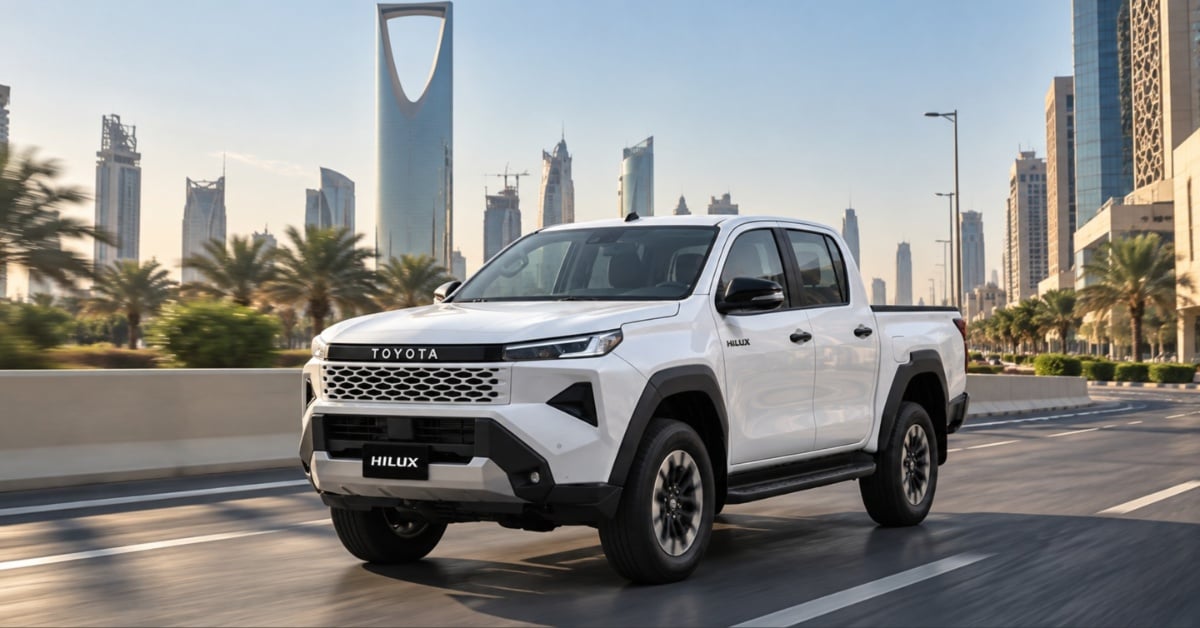
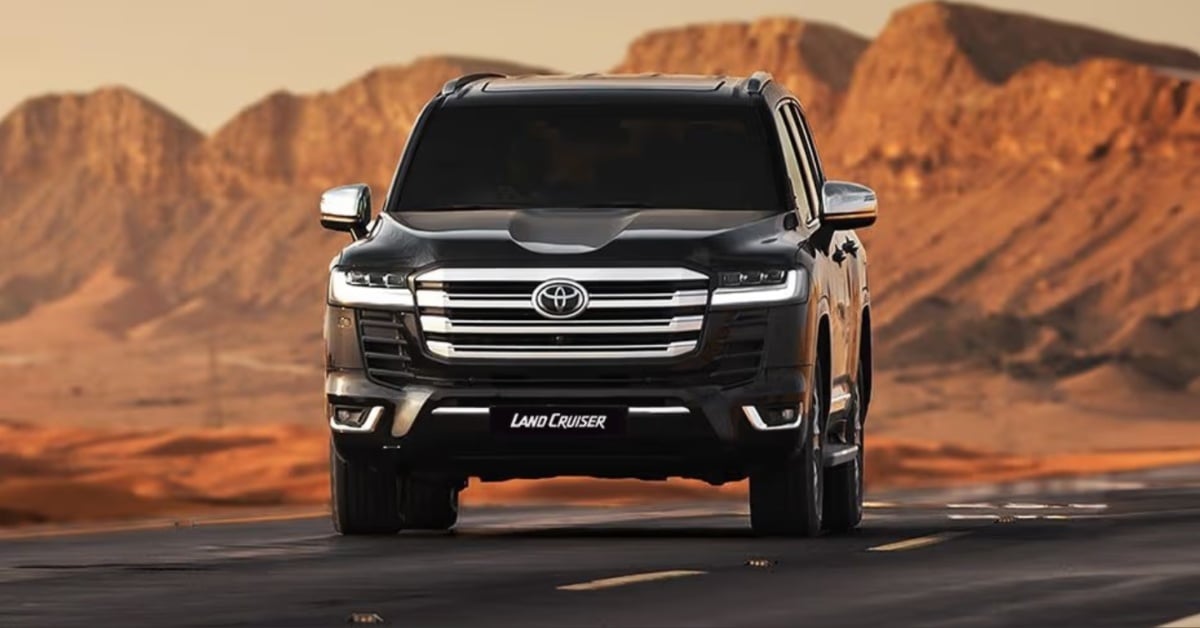
Absher’s role centralises a previously fragmented process. It removes the need for sellers and buyers to visit government offices, reducing paperwork and potential for disputes. In a market with high-volume used car sales, particularly for high-resale models like the Toyota Hilux and Land Cruiser, a transparent online system is significant. It provides a single, secure portal for the transaction, covering everything from identity verification to payment. The question is how the system will evolve to handle more complex sales, like those involving financing banks.
Also Read: Toyota Innova 2026 in Saudi Arabia: 3 Grades, 2 Powertrains and Key Specs

-
Explore Toyota Hilux
-
-
Explore Toyota Land Cruiser
-
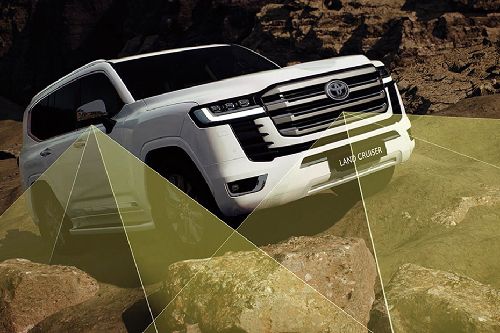
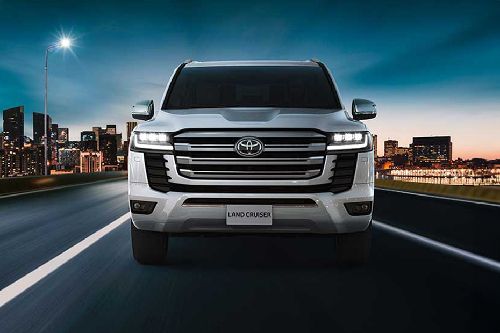
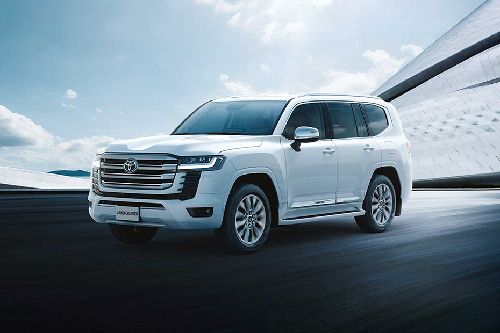
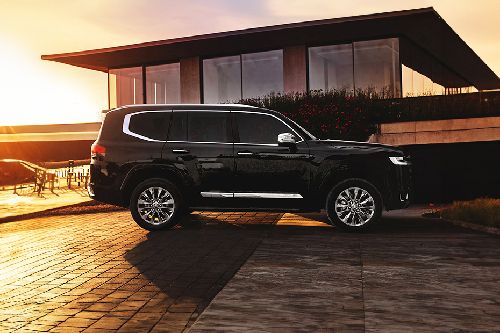
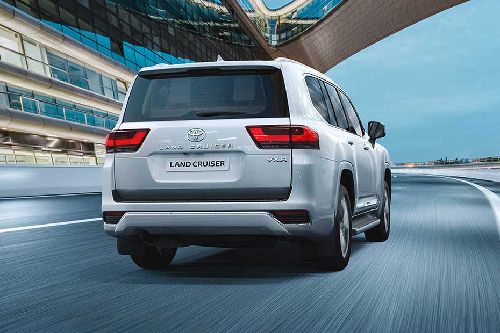
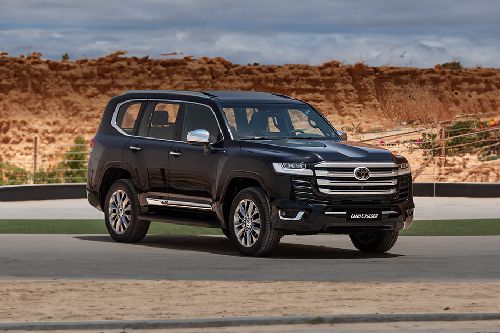
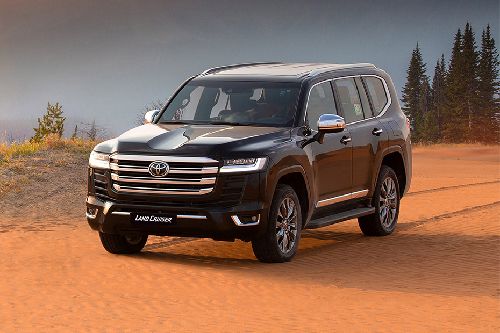
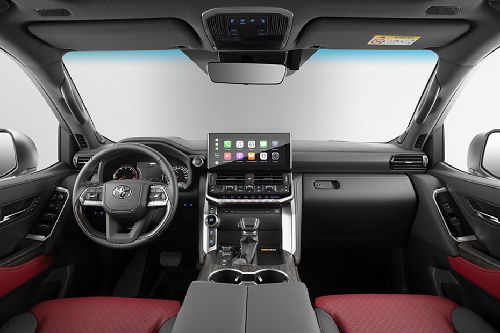
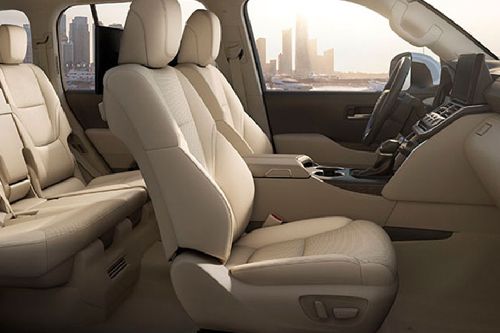
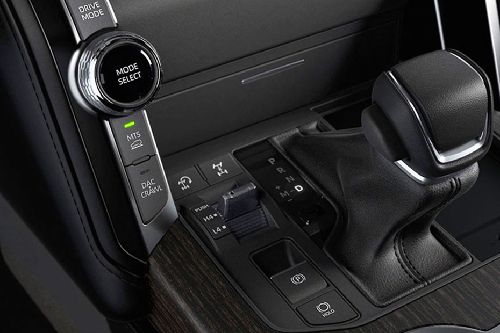
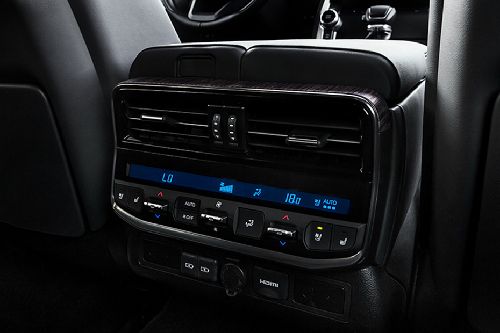
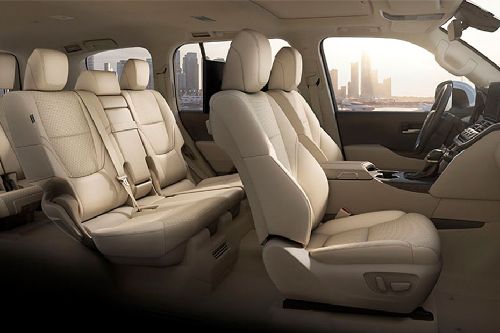

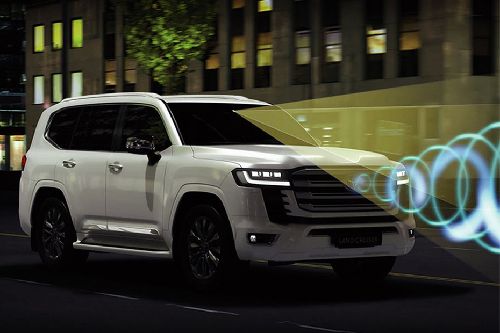
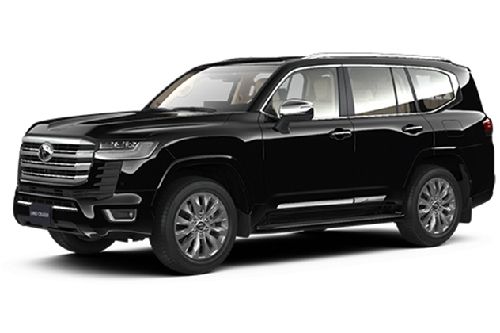
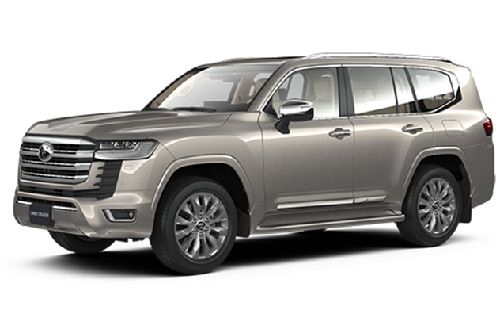
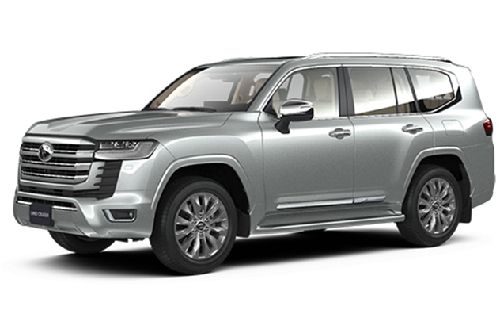

Toyota Car Models
-
Toyota Yaris -
Toyota Fortuner -
Toyota Land Cruiser -
Toyota Corolla -
Toyota Urban Cruiser -
Toyota Corolla Cross -
Toyota Hiace -
Toyota Camry -
Toyota Raize -
Toyota Veloz


Don't Miss
Automotive News and Reviews
- Latest
- Popular
-

-
-
-
Comparison: Kia Carens vs Toyota VelozTeam SayaraBay, Sep 09, 2025
-
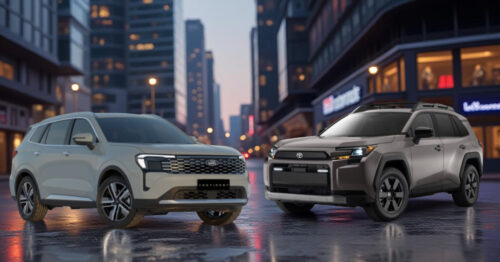
Comparison: Ford Territory vs Toyota RAV4Team SayaraBay, Sep 08, 2025
-
-
-
-




You might also be interested in
- News
- Featured Stories
-
-
-
Best Family Cars in Saudi Arabia 2026Divyaraj Singh, Oct 26, 2026
-
-
-
-
Comparison: Kia Carens vs Toyota VelozTeam SayaraBay, Sep 09, 2025
-
Comparison: Ford Territory vs Toyota RAV4Team SayaraBay, Sep 08, 2025
-
-
-
-


Featured Car
- Latest
- Upcoming
- Popular



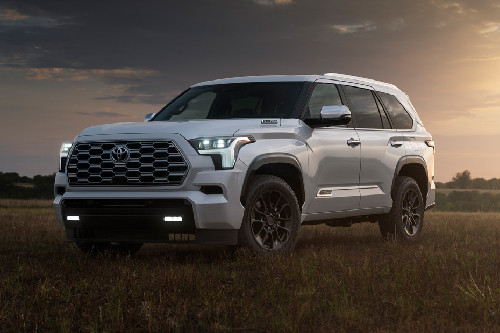
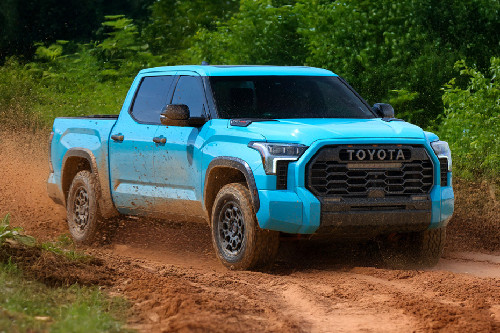


Latest Toyota Land Cruiser Car Videos on SayaraBay

-
 Toyota Landcrusier10 Jul, 2026 .

Compare & Recommended
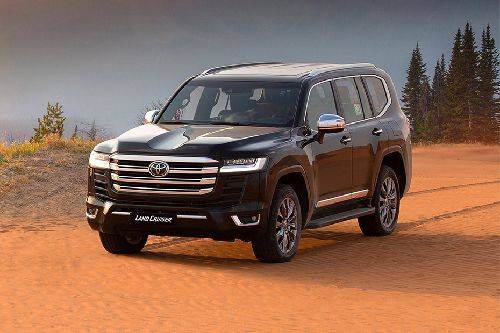
|
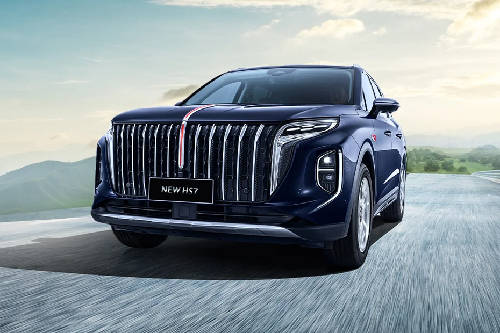
|
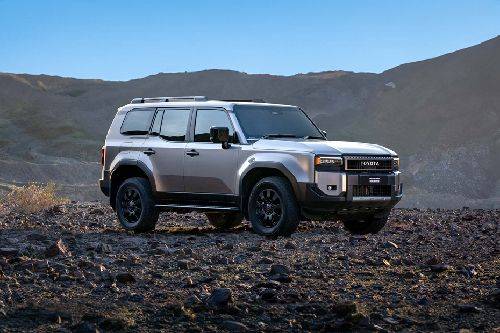
|

|

|
|
Transmission Type
Automatic
|
Automatic
|
Automatic
|
Automatic
|
Automatic
|
|
Engine Displacement
3498
|
1998
|
2398
|
2498
|
3498
|
|
Power
409Hp
|
252Hp
|
267Hp@6000rpm
|
277Hp
|
279Hp
|
|
Torque
650Nm
|
380Nm
|
430Nm@1700-3600rpm
|
-
|
350Nm
|
|
|
Trending SUV
- Latest
- Upcoming
- Popular
-
Toyota Land Cruiser SEPrice coming soon
-
-
-
-
-
GAC Aion VPrice coming soon


.jpg "Mercedes-Benz GLB-Class 2027")
.jpg "Mercedes-Benz GLB Electric")