Nissan Tekton vs Renault Duster in Saudi Arabia: Engine, Features and Practicality Compared
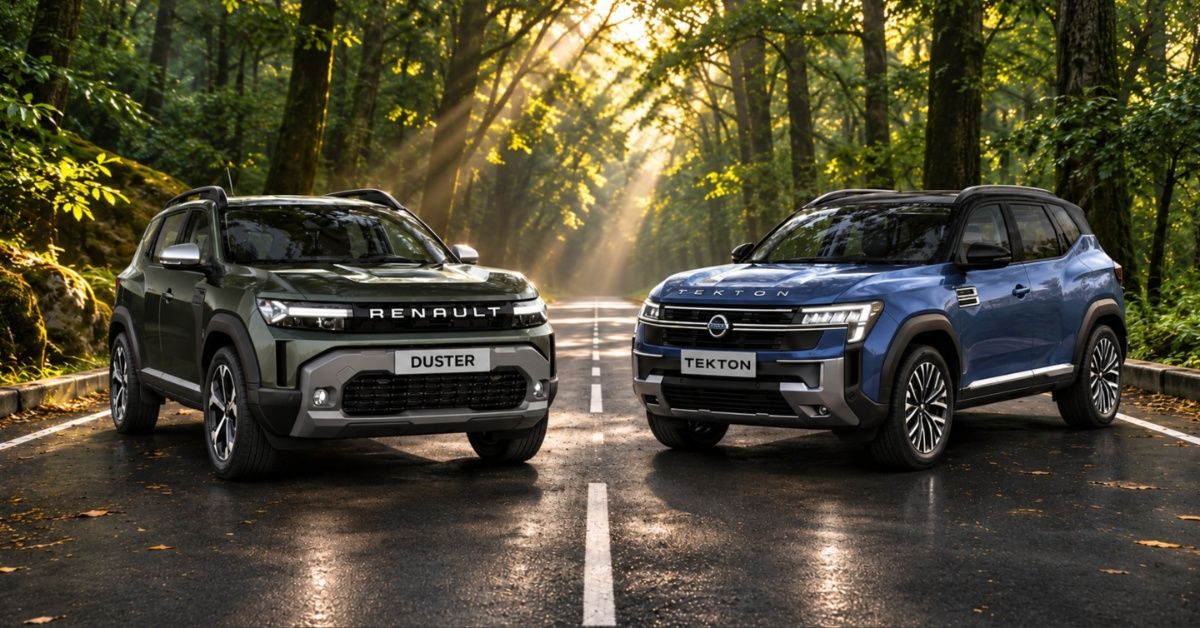
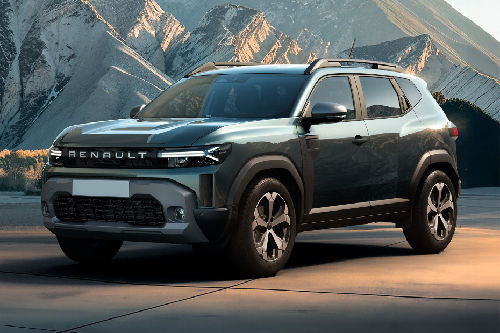
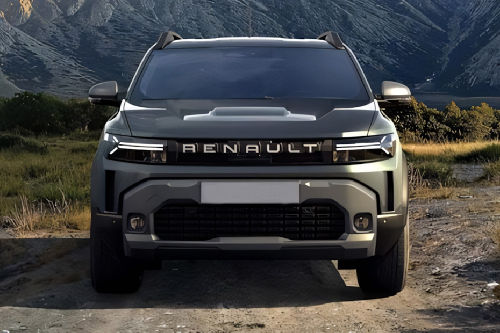
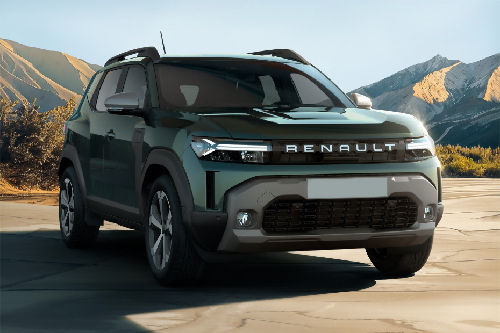
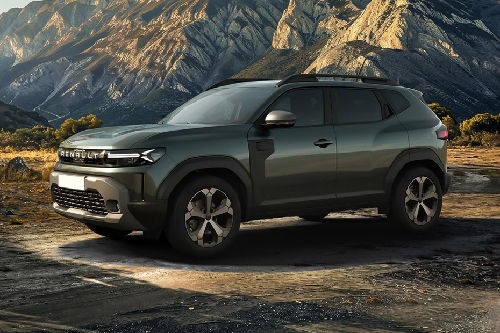
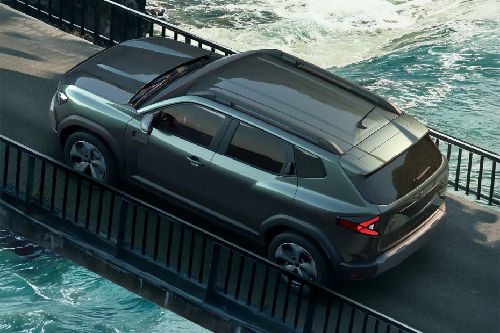
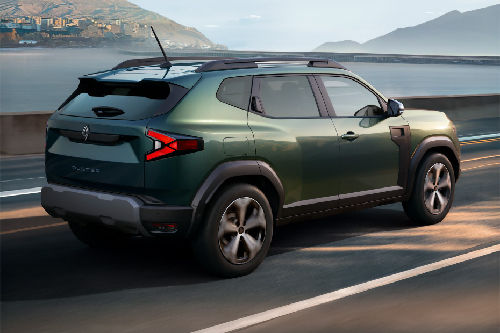
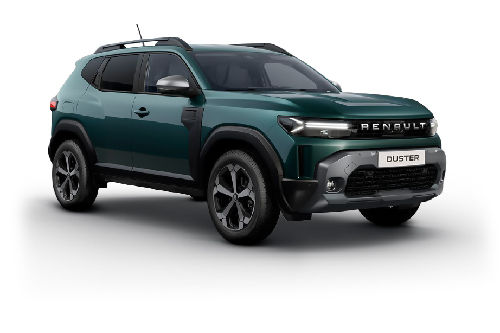
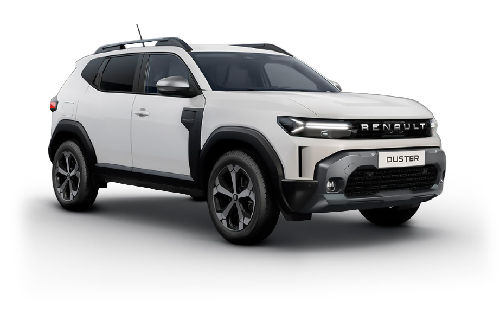
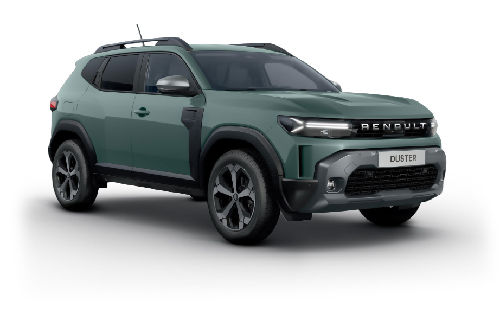
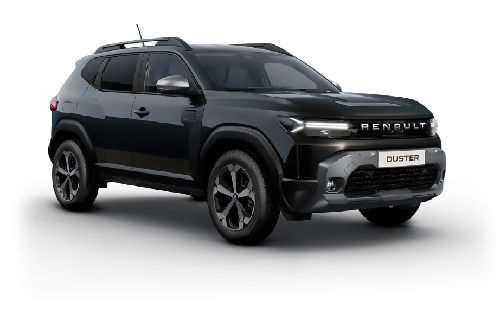
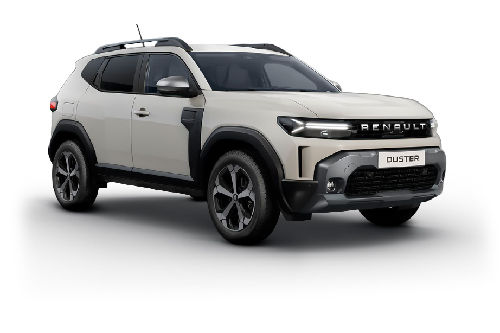
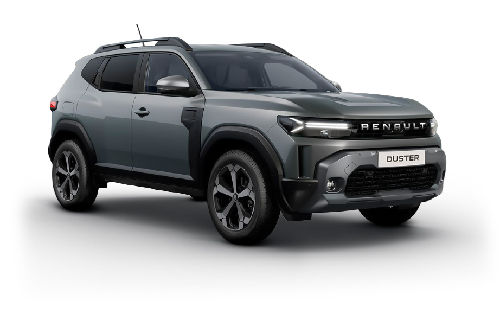
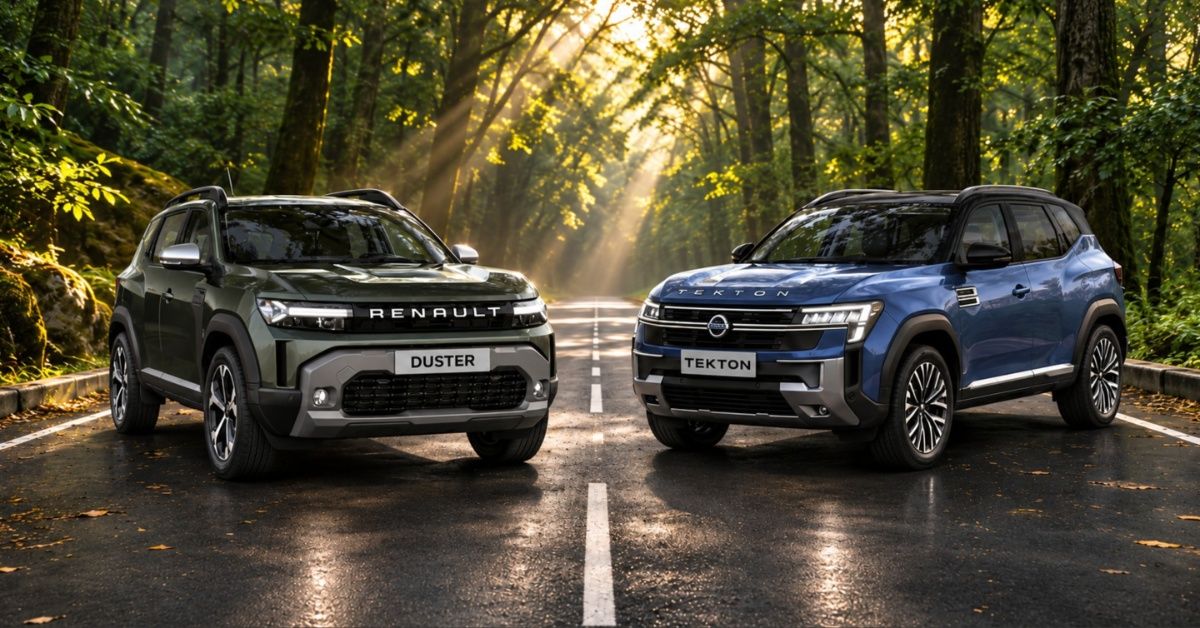
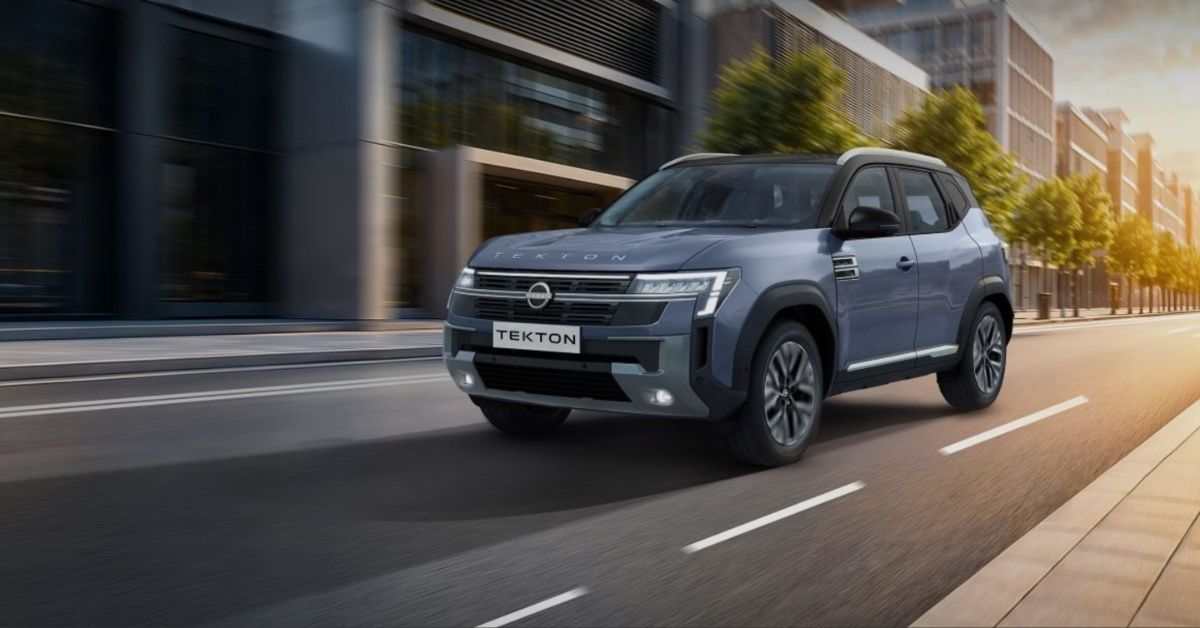
Saudi Arabia: The Nissan Tekton and Renault Duster are two compact SUVs aimed at buyers looking for turbocharged performance, everyday practicality and modern technology in Saudi Arabia. Both use 1.3-litre turbocharged petrol engines producing 153 hp, but their torque figures, transmissions, equipment and cabin features are different. The Tekton is available in four trims: S, SV, SV+ and SL. The Renault Duster is offered in Evolution and Techno versions. While the Nissan focuses on cabin comfort and a wide range of convenience features, the Duster highlights its off-road capabilities and practical interior.
KEY TAKEAWAYS
How do the Nissan Tekton and Renault Duster engines compare in Saudi Arabia?
Both compact SUVs feature 1.3-litre four-cylinder turbocharged petrol engines producing 153 hp. However, the Nissan Tekton delivers 278 Nm with a six-speed wet-clutch DCT, while the Renault Duster produces 270 Nm with a seven-speed EDC automatic.What are the available trims and starting prices for the Nissan Tekton and Renault Duster?
The Nissan Tekton is offered in S, SV, SV+, and SL trims, though its starting price is not listed in the article. The Renault Duster comes in Evolution and Techno versions with a published starting price of SAR 70,654.Nissan Tekton vs Renault Duster: Engine and Performance
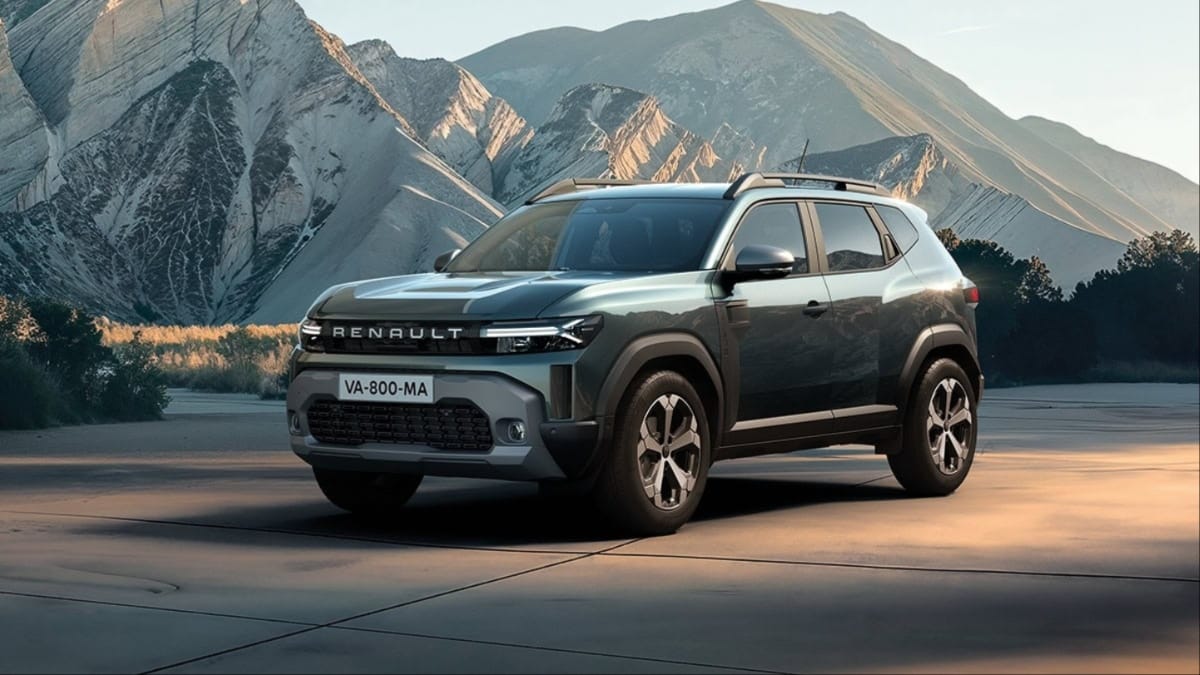
Both SUVs use four-cylinder 1.3-litre turbocharged petrol engines and produce the same maximum power. However, the Tekton delivers slightly more torque, while the Duster uses a seven-speed EDC automatic transmission instead of Nissan's six-speed wet-clutch DCT.
|
Specification |
Nissan Tekton |
Renault Duster |
|
Engine |
1.3L Turbo GDi |
1.3L Turbo TCe |
|
Displacement |
1,333 cc |
1.3L |
|
Cylinders |
4 |
4 |
|
Maximum power |
153 hp |
153 hp |
|
Maximum torque |
278 Nm |
270 Nm |
|
Torque delivery |
2,750 rpm |
1,800–3,250 rpm |
|
Transmission |
6-speed wet DCT |
7-speed EDC |
|
Drive type |
FWD |
Not specified on the cited overview |
|
Fuel |
Petrol |
Petrol |
Key differences:
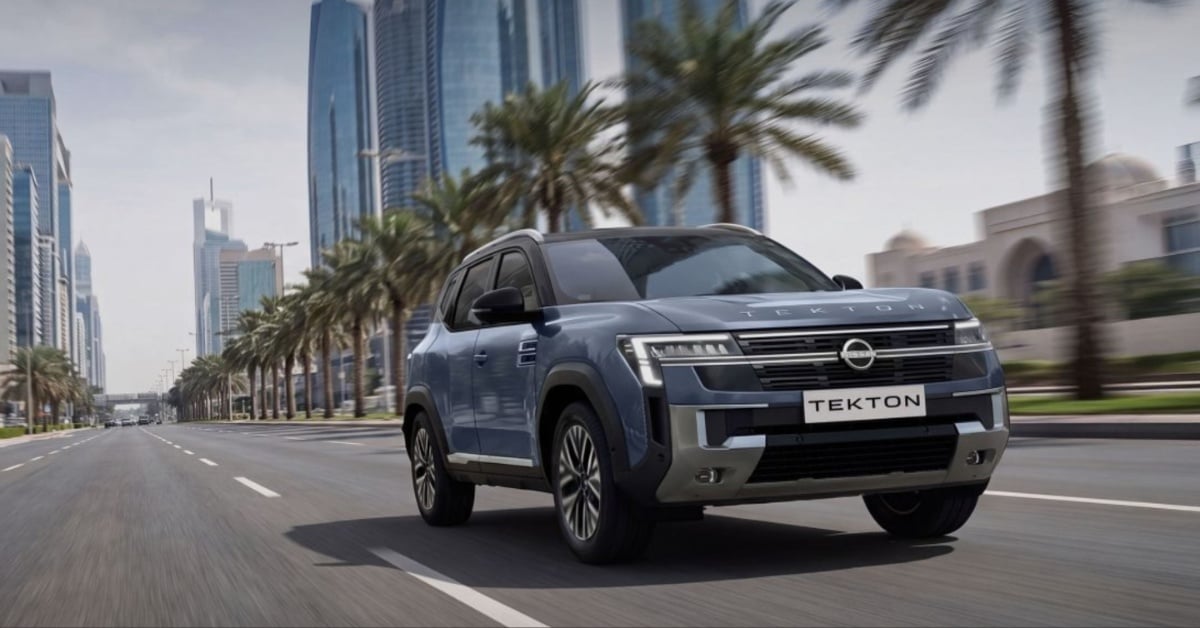
- The Tekton produces 8 Nm more maximum torque than the Duster.
- The Duster's torque is delivered across a stated 1,800–3,250 rpm range.
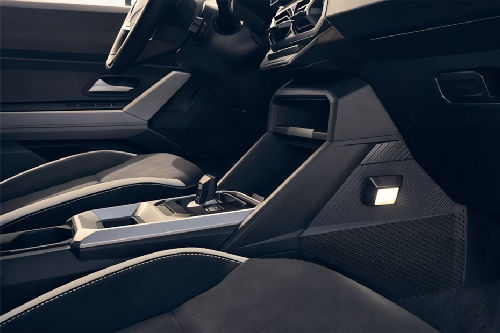
- Nissan uses a six-speed dual-clutch transmission with a wet clutch and electronic shifter.
- Renault pairs its TCe engine with a seven-speed EDC automatic gearbox.
Both offer 153 hp, so the main powertrain differences are torque delivery and transmission rather than maximum power.
Dimensions, Ground Clearance and Boot Space
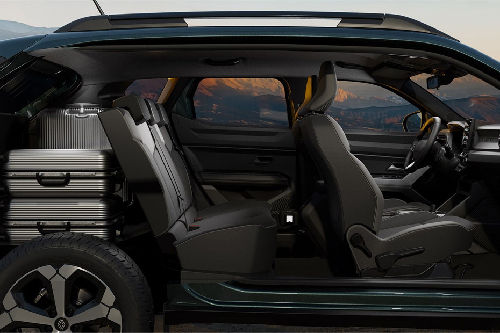
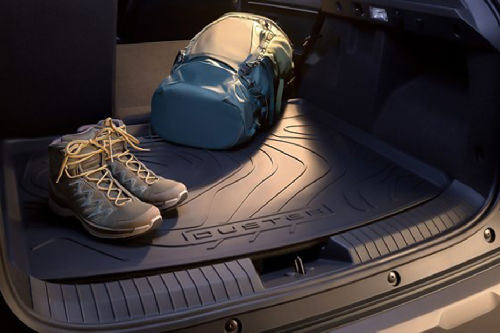
The two SUVs have very similar wheelbases and overall lengths. The Tekton is slightly longer, while the Duster offers a practical boot and a flexible rear-seat arrangement.
|
Specification |
Nissan Tekton |
Renault Duster |
|
Length |
4,348 mm |
4,343 mm |
|
Wheelbase |
2,657 mm |
2,657 mm |
|
Height |
1,674 mm |
1,661 mm |
|
Ground clearance |
212 mm |
209 / 217 mm |
|
Boot capacity |
518–700 litres |
Up to 542 litres |
|
Boot with rear seats folded |
1,789 litres |
Up to 1,696 litres |
Interior, Infotainment and Comfort Features
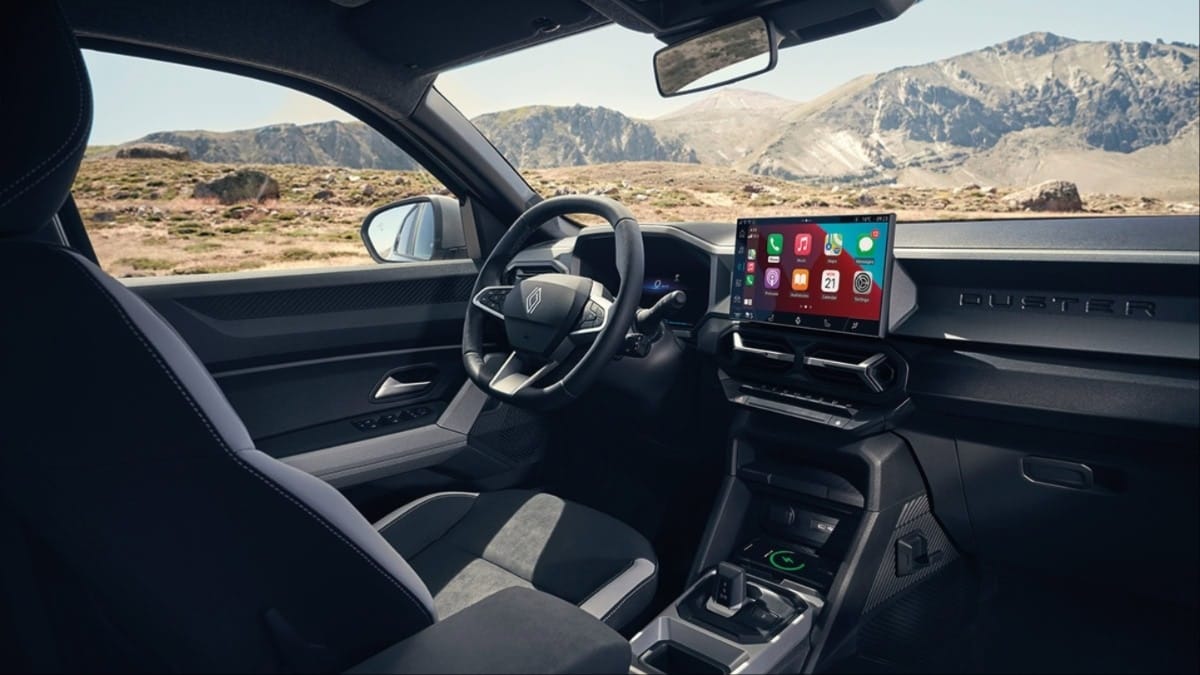
Both SUVs offer digital displays, touchscreen infotainment and smartphone connectivity. However, their equipment differs depending on the selected trim.
|
Feature |
Nissan Tekton |
Renault Duster |
|
Infotainment screen |
10.1-inch |
10.1-inch openR |
|
Driver display |
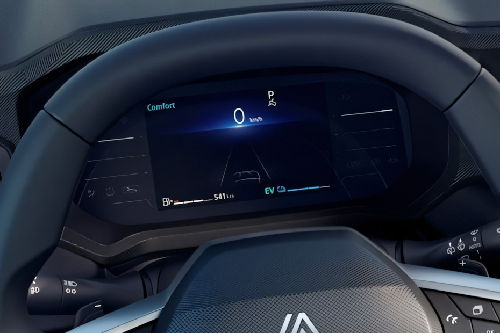
7-inch or 10.25-inch |
7-inch digital cluster |
|
Smartphone connectivity |
Wireless Apple CarPlay and Android Auto |
Wireless smartphone replication |
|
Audio system |
Arkamys 4 or 6 speakers |
Arkamys Auditorium 6 speakers |
|
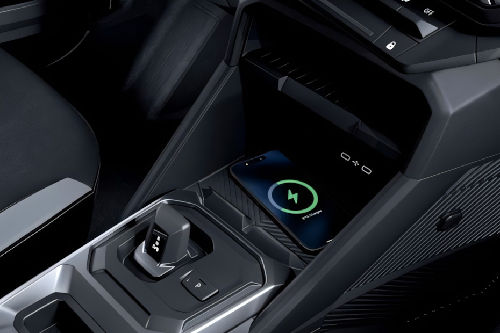
Wireless charging |
Available from SV |
Available on Techno |
|
Multi-view camera |
Available from SV |
Four-camera system |
|
Climate control |
Dual-zone from SV |
Not specified in the supplied trim details |

The Tekton offers a wider range of comfort upgrades as buyers move up its trim lineup:
- S: 10.1-inch infotainment, wireless smartphone connectivity, rear AC vents and four-speaker Arkamys audio.
- SV: Dual-zone automatic climate control, wireless charging, cooled armrest storage and rear USB-C ports.
- SV+: Panoramic sunroof, ventilated front seats, powered tailgate, air purifier and 48-colour ambient lighting.
- SL: Adds a frameless auto-dimming interior rear-view mirror.
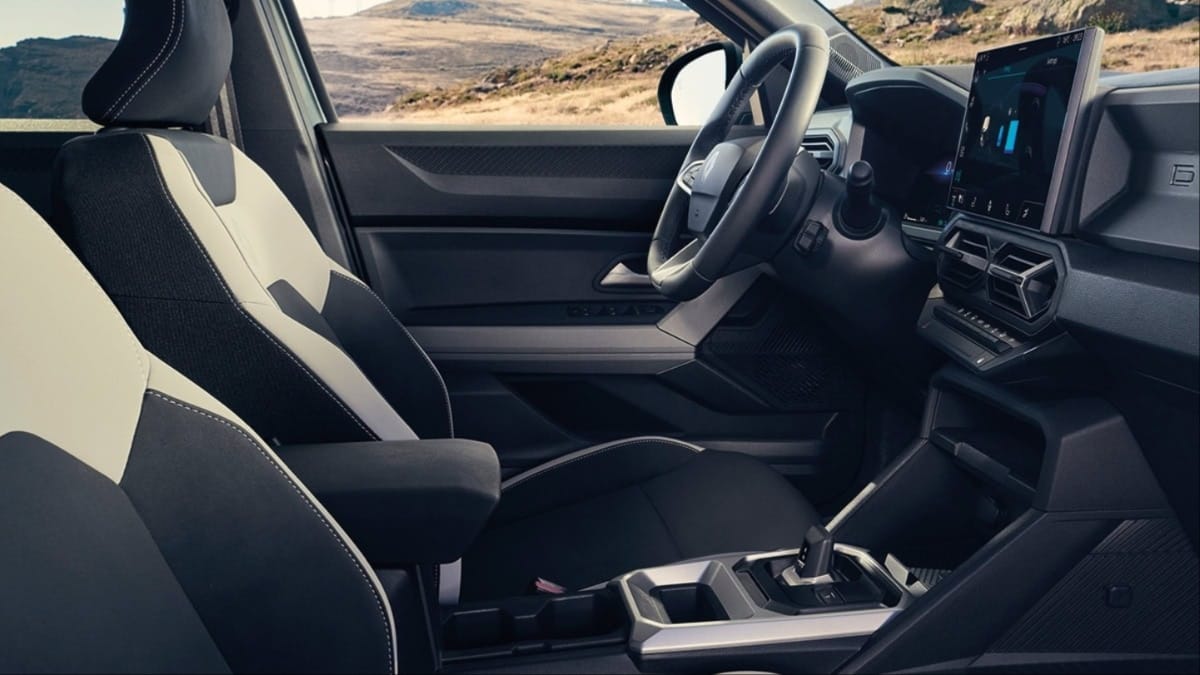
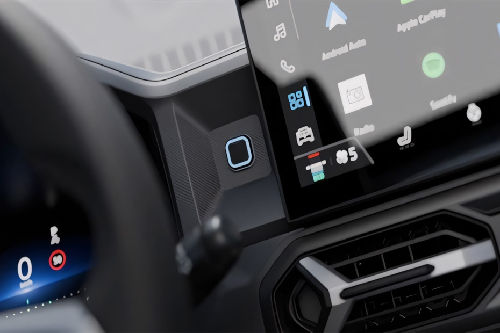
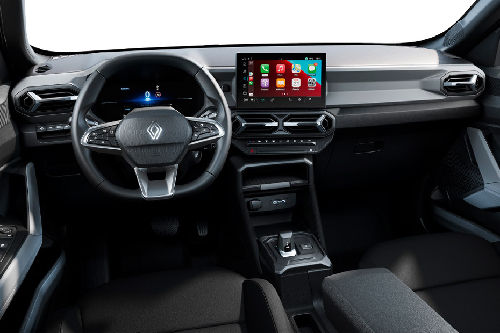
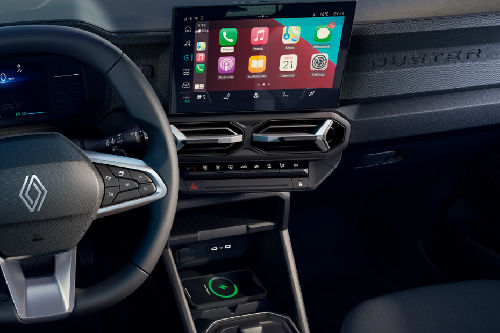
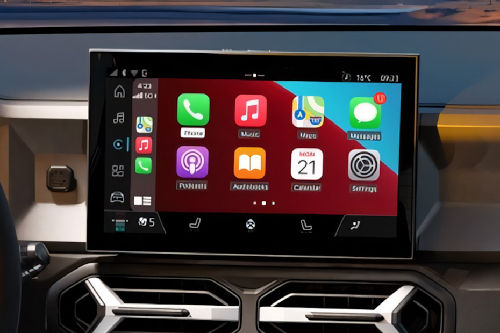
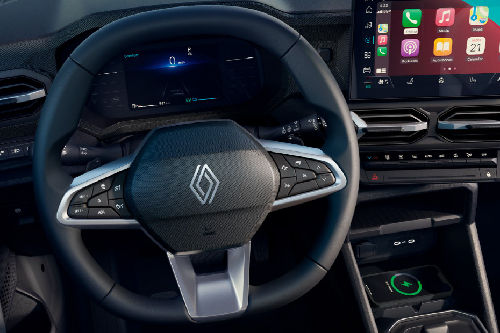
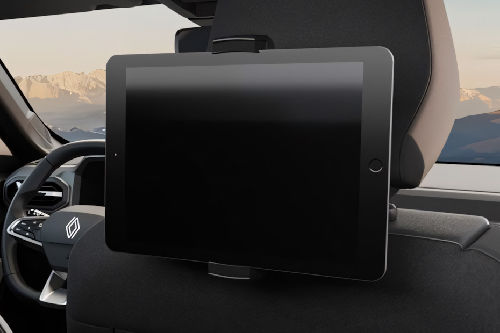
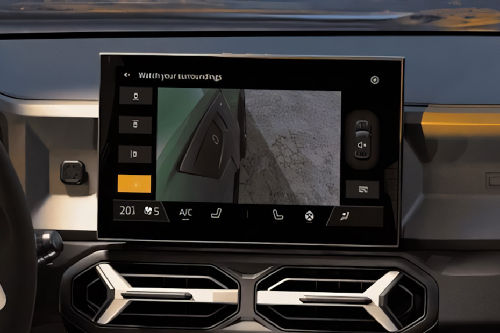
The Duster's cabin focuses on practical technology. Its listed equipment includes a 10.1-inch openR touchscreen, a seven-inch digital instrument cluster, wireless charging and the YouClip attachment system, which provides up to eight mounting points.
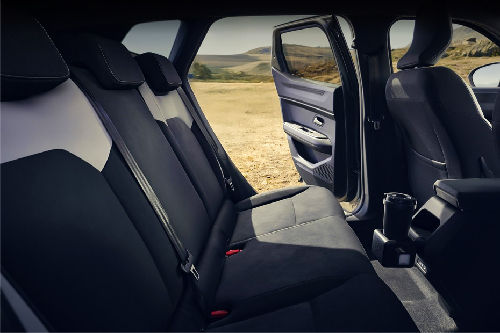
The Duster's Evolution trim includes a six-speaker Arkamys Auditorium sound system and a 60:40 split-folding rear bench. Techno adds wireless phone charging, auto-folding mirrors and an integrated armrest.
Safety and Driver Assistance
Both SUVs offer parking assistance and driver-support features, although the available systems differ.

Nissan Tekton:
- Six airbags across the supplied trim specifications.
- ABS, EBD, Brake Assist and Electronic Stability Control.
- Hill Start Assist.
- Rear parking sensors and rear-view camera on S.
- Multi-View Camera System and front and side parking assistance from SV.
- Hill Descent Control from SV+.
- SL adds Intelligent Cruise Control with Stop & Go, Forward Collision Warning, Forward Emergency Braking, Blind Spot Warning, Lane Departure Warning, Lane Keep Assist and Driver Attention Alert.
Renault Duster:
- Cruise control and speed limiter.
- Hill Start Assist.
- Blind Spot Warning.
- Front, rear and side parking assistance.
- Rear-view camera.
- Four-camera Multi-View Camera System providing 360-degree visibility.
- Up to nine advanced driver-assistance systems, depending on version and equipment.
The Tekton SL offers a clearly specified collection of advanced driver-assistance systems. The Duster also offers useful safety and parking technology, but the exact equipment depends on the version.
Off-Road Capability and Everyday Practicality

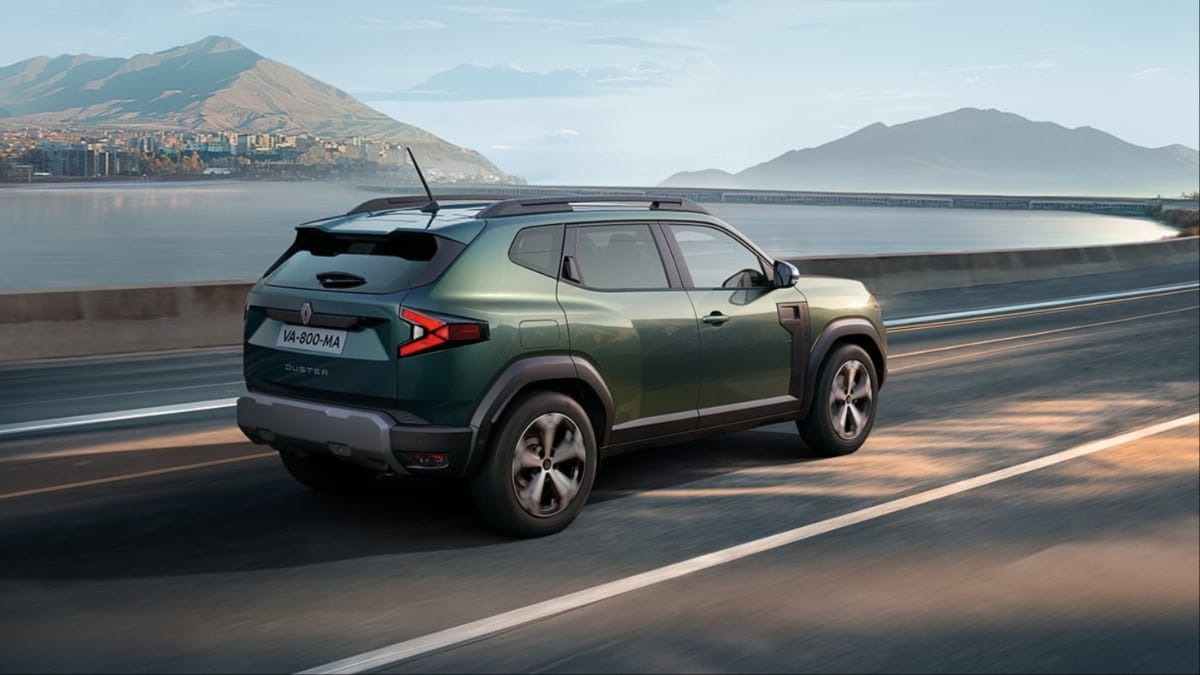
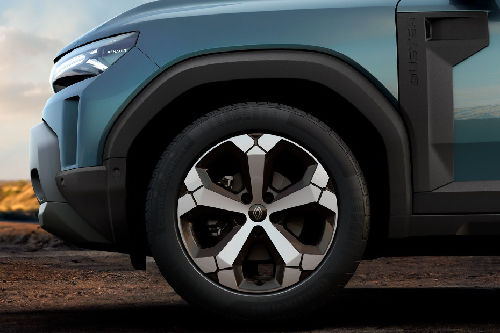
Renault highlights the Duster's improved off-road capabilities, reinforced wheel arches and side protection. Its design is intended to handle a mix of urban roads and more challenging terrain. The Tekton offers 212 mm of unladen ground clearance, front and rear skid plates and reinforced wheel-arch cladding. Its SV+ and SL versions also include Hill Descent Control. Both SUVs have practical features, but their equipment priorities differ:
- Tekton: More emphasis on cabin comfort, ventilated seats, ambient lighting, powered tailgate and advanced driver assistance on the SL.
- Duster: Emphasis on off-road capability, practical storage, YouClip mounting points and a 60:40 folding rear bench.
Nissan Tekton vs Renault Duster: Which One Should You Choose?
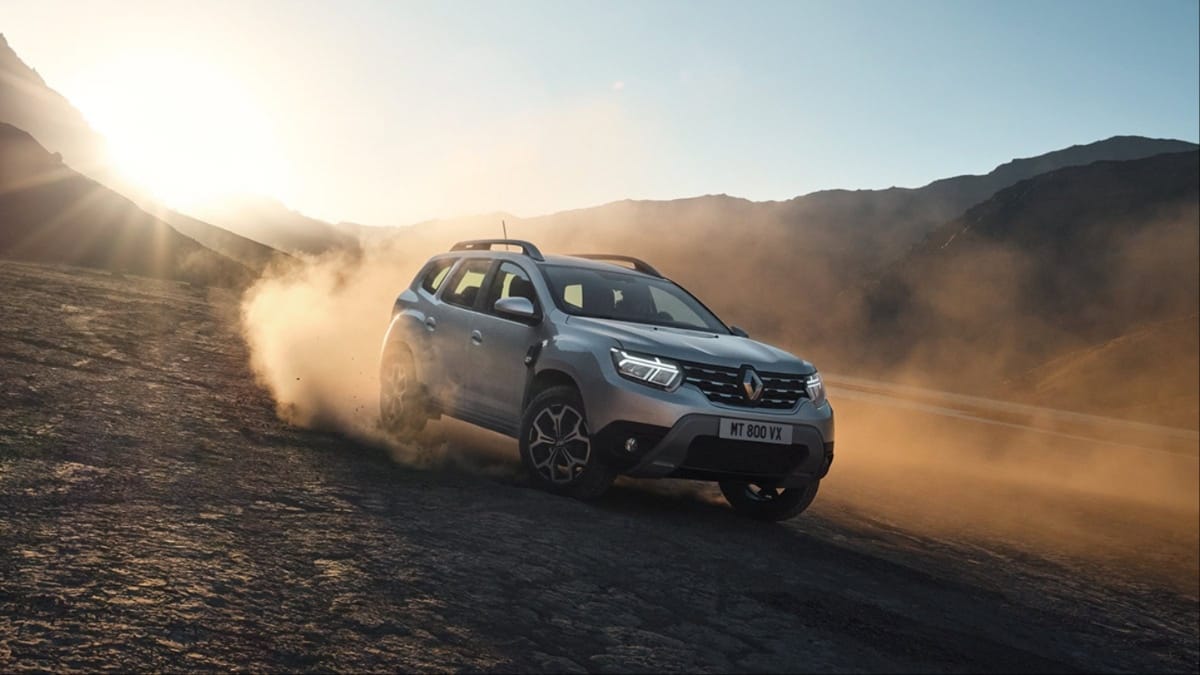
Both SUVs offer 153 hp turbocharged engines, digital displays and useful everyday features. The better choice depends on what matters most to you.
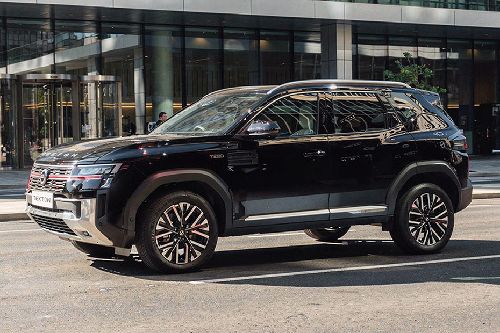
- Choose the Nissan Tekton if you want slightly higher torque, a wet-clutch DCT, a larger quoted maximum boot capacity and more comfort-focused equipment in the higher trims.
- Choose the Renault Duster if you prioritise its stated off-road focus, YouClip storage system, 60:40 folding rear seats and a published starting price of SAR 70,654.
Verdict
The Nissan Tekton and Renault Duster offer similar engine power but take different approaches to the compact SUV segment. The Tekton stands out with its 278 Nm torque output and extensive comfort and technology features, particularly in the SV+ and SL trims. The Duster focuses on practical everyday use and off-road capability, while also offering a seven-speed EDC transmission and a published starting price. Buyers should compare the exact equipment and final dealer prices before choosing between them.
Also Read: Subaru WRX in Saudi Arabia: 275 PS turbo, AWD and two gearbox choices from SAR 189,000

-
Explore Nissan Tekton
Explore Renault Duster
-
Nissan Car Models
-
Nissan Patrol -
Nissan X-Trail -
Nissan Magnite -
Nissan Kicks -
Nissan Pathfinder -
Nissan Altima -
Nissan Z -
Nissan Xterra -
Nissan Leaf -
Nissan Patrol Nismo
Automotive News and Reviews
- Latest
- Popular
-

-
-
-
Comparison: Kia Carens vs Toyota VelozTeam SayaraBay, Sep 09, 2025
-
Comparison: Ford Territory vs Toyota RAV4Team SayaraBay, Sep 08, 2025
-
-
-
-



You might also be interested in
- News
- Featured Stories
-
Comparison: Kia Carens vs Toyota VelozTeam SayaraBay, Sep 09, 2025
-
Comparison: Ford Territory vs Toyota RAV4Team SayaraBay, Sep 08, 2025
-
-
-
-

Featured Car
- Latest
- Upcoming
- Popular
-

-
Nissan LeafPrice coming soon
-
Chevrolet SilveradoPrice coming soon
-
Toyota Land Cruiser SEPrice coming soon
-
.jpg "Mercedes-Benz GLB-Class 2027")
.jpg "Mercedes-Benz GLB Electric")

Trending SUV
- Latest
- Upcoming
- Popular
Compare
You can add 3 variants maximum*- Brand
- Model
- Variant
Choose your city to find options nearby

-
Link your google account
-
Link your facebook account