Porsche Mission S Revealed: Mid-Engine Design and Driver-Focused Cockpit
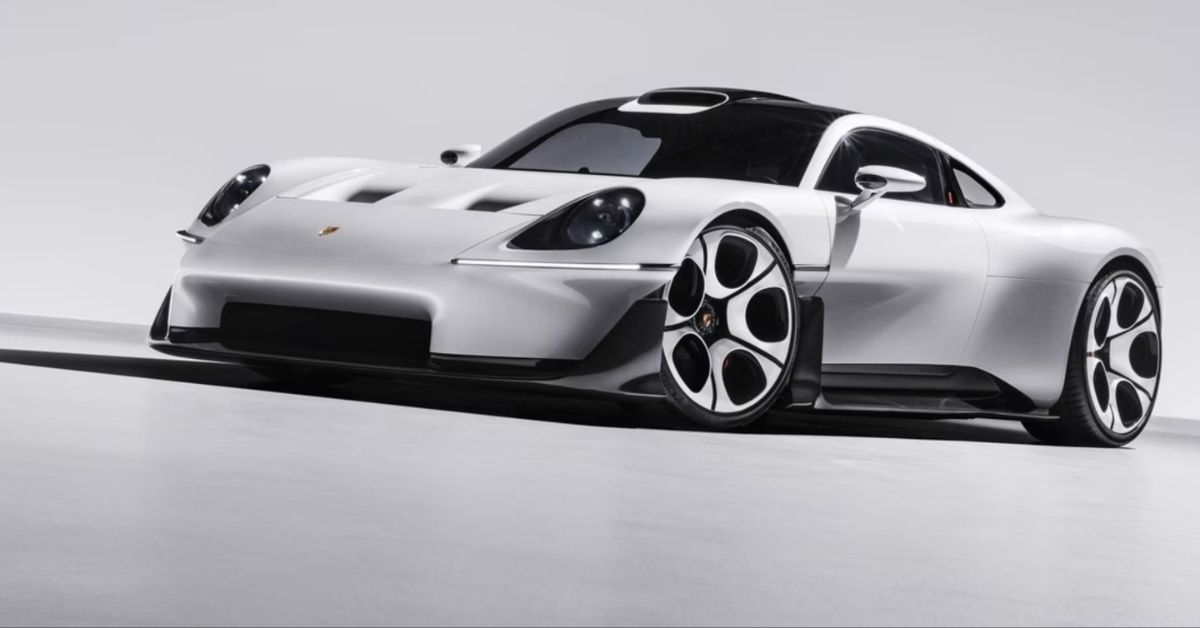
Dubai: Porsche has revealed its Mission S, a purist sports car. It is focused on analogue controls and driver engagement. The Mission S features a mid-engine layout, a driver-centric cockpit with analogue instruments, and a mode that deactivates all electronic aids. The vehicle is a statement piece from the brand, suggesting the future of the segment lies in unmediated driver engagement, not autonomous convenience.
KEY TAKEAWAYS
What is the Porsche Mission S and its core focus?
The Porsche Mission S is a mid-engine sports car focused on analogue controls and unmediated driver engagement, featuring a driver-centric cockpit with round instruments and a mode that deactivates electronic aids.What historic design references are featured on the Porsche Mission S?
The Mission S features torpedo-style fenders, 'dial-style' wheels reinterpreting the Porsche 928, and a rear visible fan wheel honoring the iconic Porsche 917 racing car.Quick read:
- The Mission S is a mid-engine car with an interior dominated by analogue controls.
- A dedicated 'On your own' mode deactivates all driver assistance systems with a single button.
- Design elements reference historic models like the Porsche 928 and the 917 racing car.
- It represents Porsche's philosophy of a purer, more driver-focused future for its sports cars.
Porsche Mission S Analogue Manifesto
Porsche states that "every design detail and element serves a clear purpose focused on driver experience." The core of the Mission S is its rejection of digital distraction. Instead of a large central screen, the cockpit features five classic round instruments, with a prominent rev counter and its physical analogue needle taking centre stage. This philosophy is most evident in the 'On your own' mode. Activated by a red button on the steering wheel, it deactivates all driver assistance systems (ADAS), returning full control to the person behind the wheel. This feature is a direct counter-current to the industry's push towards semi-autonomous driving, positioning the Mission S as a purist's machine built for engagement above all else.
Mid-engine heritage reimagined
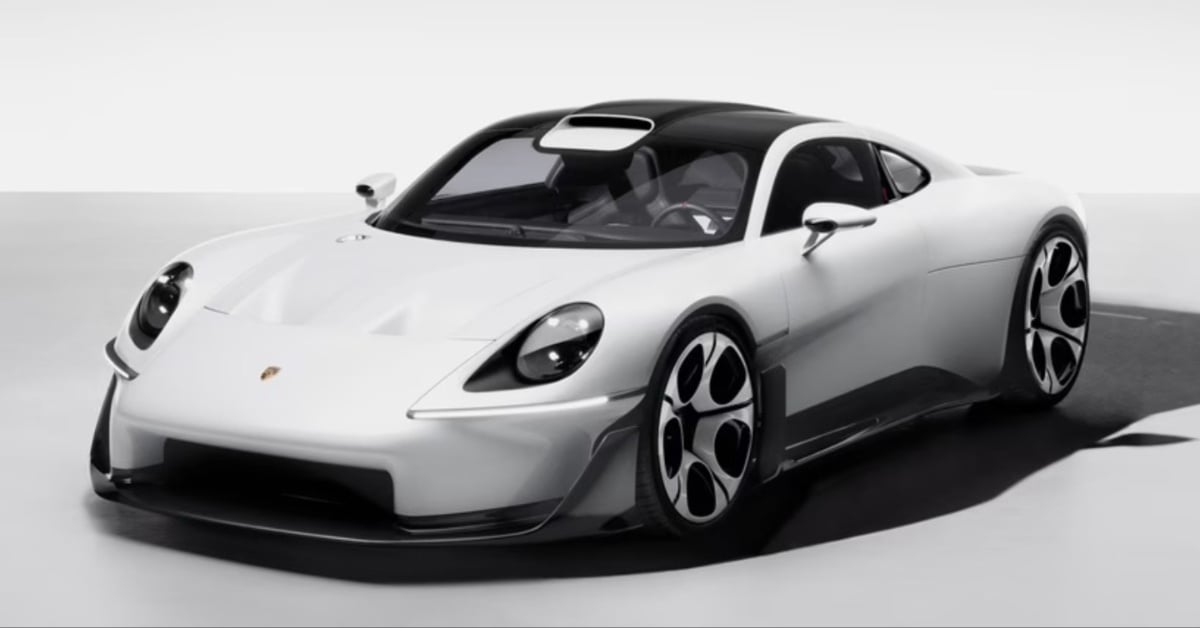
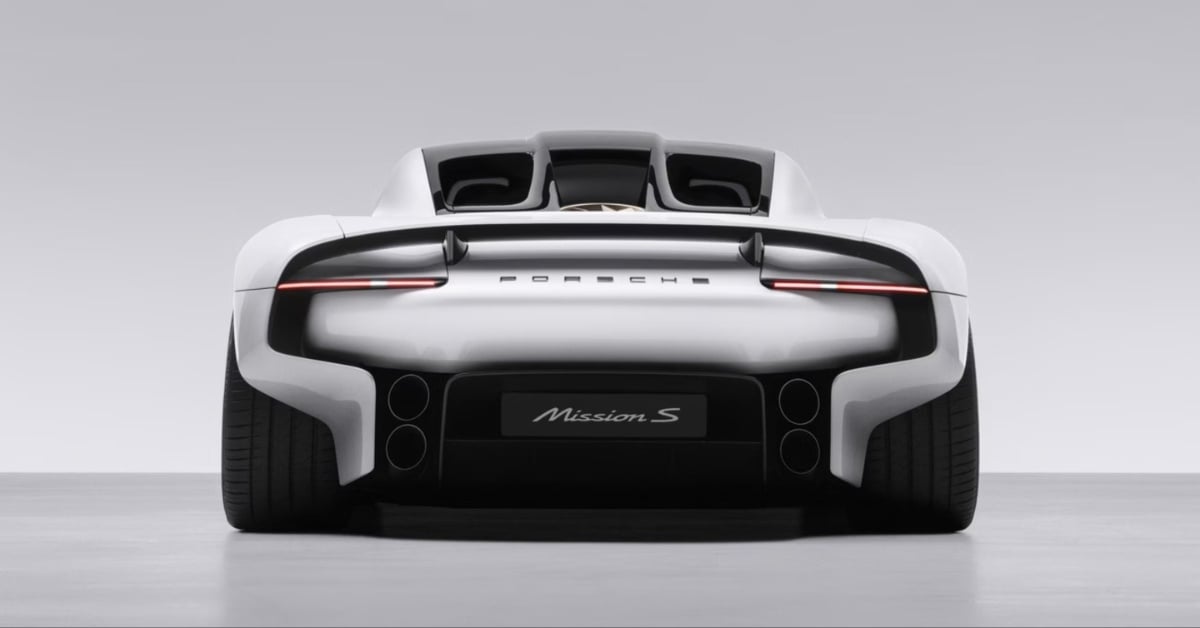
According to the company, the "design language blends past and future, inspired by Porsche icons and heritage." Its centrally positioned mid-engine architecture gives the Mission S characteristic sports car proportions and a pronounced Porsche Flyline. The design is deliberately referential, drawing on the brand's history without being a simple copy. Torpedo-style fenders evoke historic Porsche models. The 'dial-style' wheels are a modern reinterpretation of a design motif from the Porsche 928. At the rear, a visible fan wheel, built from lightweight materials, aids cooling and serves as a direct homage to the iconic Porsche 917 racing car. These elements connect the Mission S to a lineage of cars defined by their mechanical purpose and driving feel.
The driver-centric interior
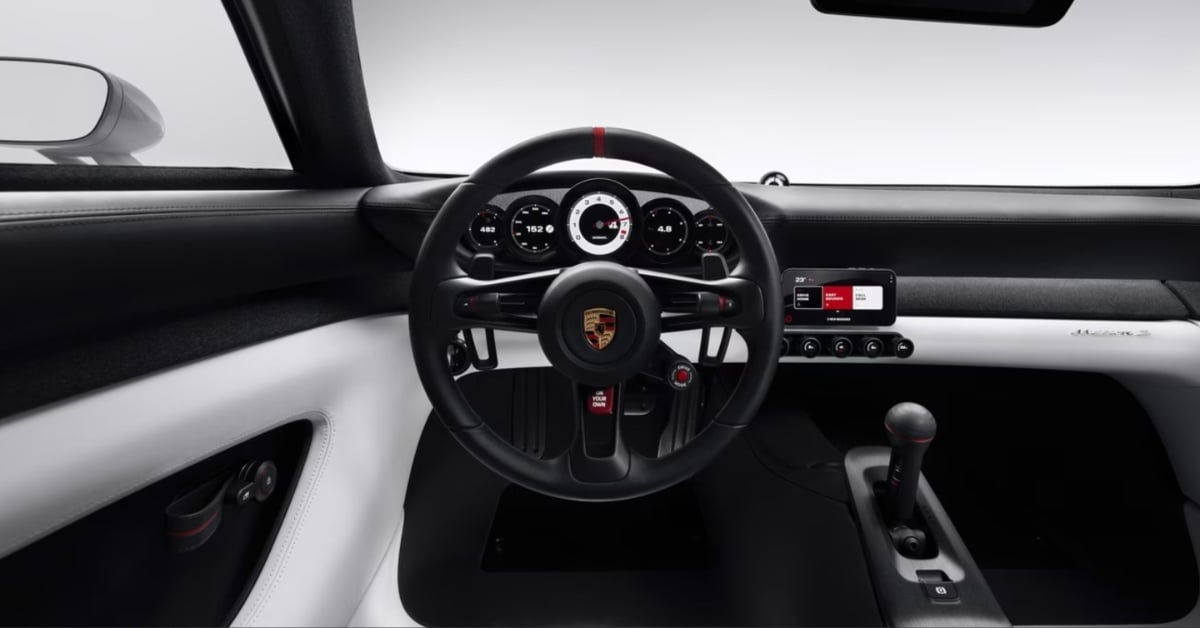
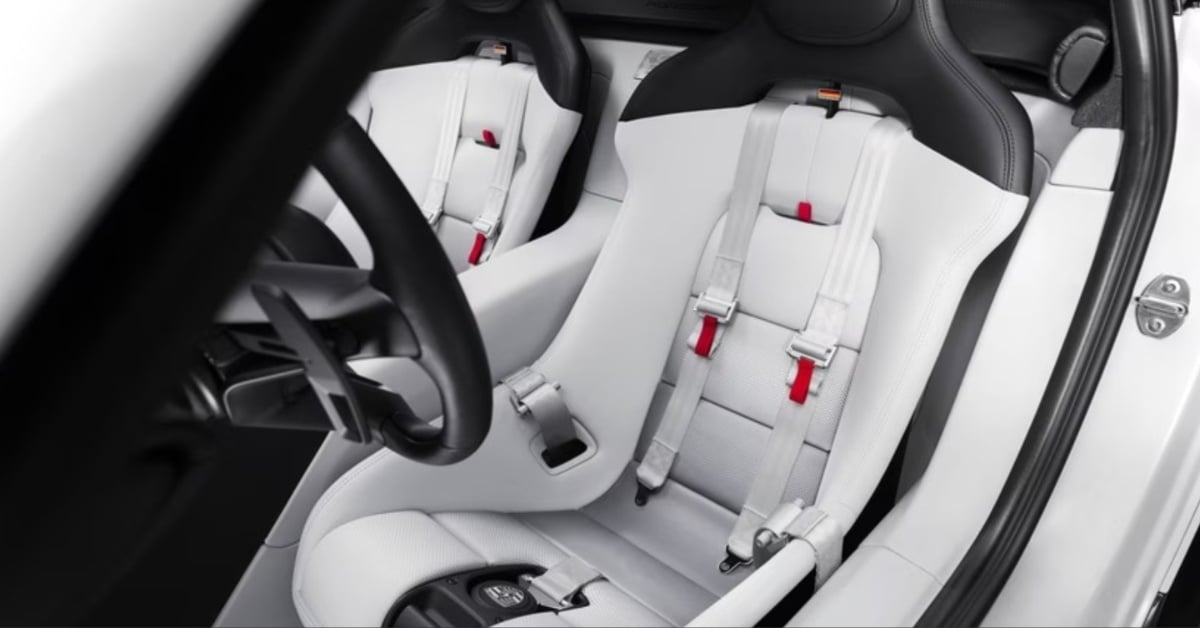
Porsche says the "height-adjustable gear lever is designed to provide a tactile driving experience." The cabin architecture is built around the driver. A continuous wraparound main line connects the light signatures at the front and rear. This creates a sense of being enveloped by the machine. Functionality is prioritised over digital clutter. The seats, with their integrated seatbelt buckle in the centre panel, combine comfort with motorsport DNA. Even the car key, milled from a solid piece of aluminium, is designed to create a tangible connection to the vehicle before the engine even starts. Every control point is intended to be physical and direct, reinforcing the car's mechanical nature.
Implications for future Porsche
The Mission S philosophy is that "future Sports cars should strip back to essentials and focus entirely on the driver." It's all about unmediated driver engagement, not autonomous features. It represents a future where the driver is more engaged, not less; Porsche is signalling its commitment to the core enthusiast. For the GCC market, where weekend drives on open roads are a key part of performance car ownership, this message will likely resonate. A car that trusts the driver and prioritises skill over systems has a distinct appeal.
Also Read: Tesla Unveils New Roadster With SpaceX Thrusters and Claimed 0–60 mph Time Under One Second

Porsche Car Models
-
Porsche Panamera -
Porsche 718 -
Porsche Macan -
Porsche 911 -
Porsche Cayenne -
Porsche Taycan -
Porsche Macan Electric

Automotive News and Reviews
- Latest
- Popular
-

-
-
-
Comparison: Kia Carens vs Toyota VelozTeam SayaraBay, Sep 09, 2025
-
Comparison: Ford Territory vs Toyota RAV4Team SayaraBay, Sep 08, 2025
-
-
-
-


You might also be interested in
- News
- Featured Stories
-
Comparison: Kia Carens vs Toyota VelozTeam SayaraBay, Sep 09, 2025
-
Comparison: Ford Territory vs Toyota RAV4Team SayaraBay, Sep 08, 2025
-
-
-
-
Featured Car
- Latest
- Upcoming
- Popular